2026-11-12 ·
When Should Johnstown Homeowners Replace Their Roof?
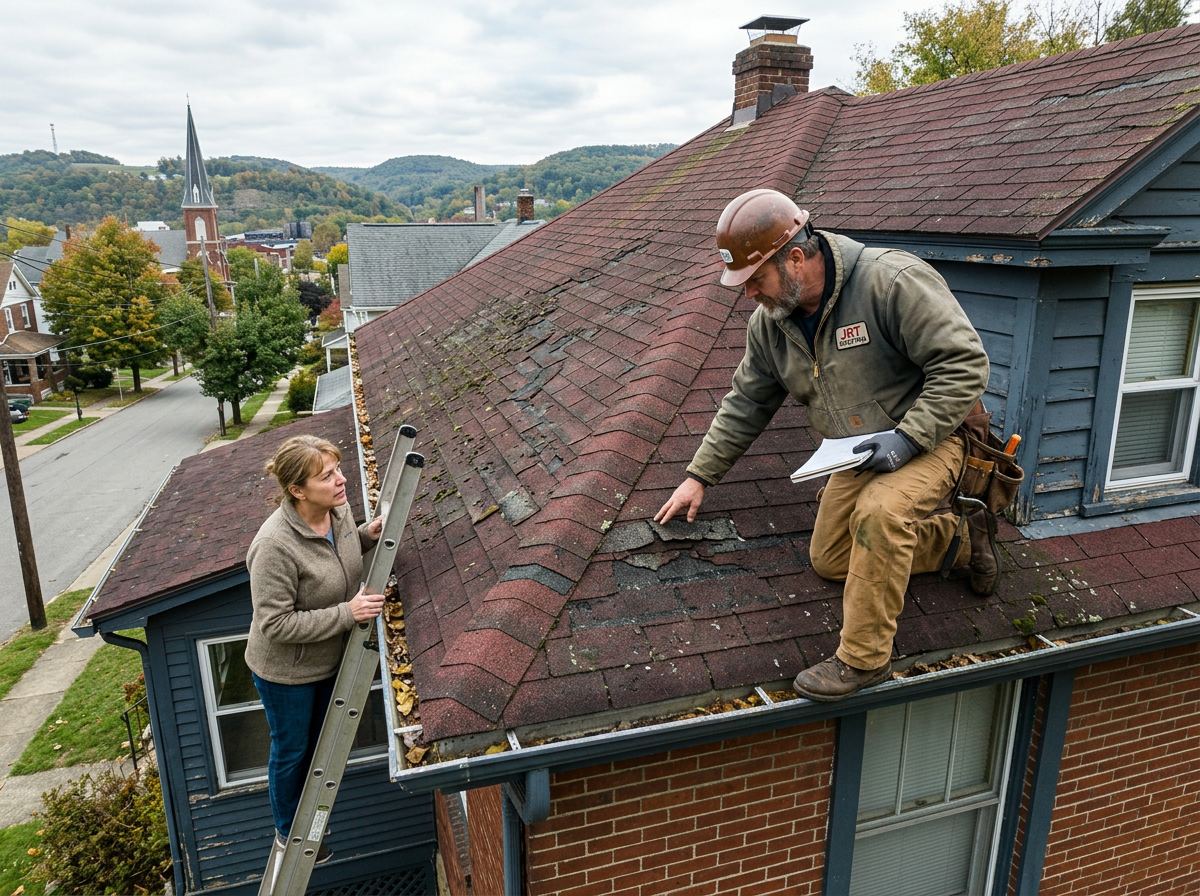
Johnstown homeowners should plan roof replacement when their roof reaches 20 to 30 years old or displays clear signs of failure such as granule loss, curling shingles, missing pieces after wind, or repeated ice dam leaks during Laurel Highlands winters. Our crews see these patterns across steel-mill-era homes in Moxham, Kernville, and Cambria City where plank decking and original slate layers sit under later shingles. The deep valley location between the Stonycreek and Little Conemaugh rivers creates microclimates that trap moisture and accelerate wear on steep-pitch roofs. Freeze-thaw cycles, heavy snow load, and ridge-top winds combine to shorten service life compared with flatter terrain elsewhere in Pennsylvania. Checking attic ventilation balance and inspecting step flashing around chimneys helps confirm when a full tear-off becomes necessary rather than continued patch work.
Age and Construction Factors in Cambria County Homes
Many Johnstown homes built between 1900 and 1940 sit on steep hillside lots with narrow streets that limit equipment access. These frame houses and row homes commonly carry plank decking rather than plywood, original slate roofs, and brick chimneys that require careful flashing details during replacement. Larger early-1900s homes in Westmont often feature steeper pitches and multiple valleys that collect snow and promote ice dams. In Richland Township and Geistown, mid-century ranches and split-levels present different challenges with lower slopes and additions that sometimes include flat roof sections covered in EPDM or modified bitumen. Our crews evaluate deck condition, existing layers, and ventilation balance before recommending a full tear-off or slate-to-shingle conversion. Homes in neighborhoods like Hornerstown, Roxbury, and Prospect frequently need re-sheathing with OSB or plywood once old plank decking shows sagging. Wind along US-219 and PA-56 corridors can dislodge ridge vents and soffit intake vents, shortening roof life when left unaddressed.
Weather and Climate Triggers Specific to the Laurel Highlands
Long snowy winters bring heavy snow load that stresses older roofs, while spring and summer thunderstorms deliver wind and hail that bruise shingles and crack slate. Ice dams form at eaves and valleys during freeze-thaw cycles, forcing water under shingles and into attics. Ridge-top wind in areas near Stackhouse Park and the Johnstown Inclined Plane can lift starter strips and expose underlayment. Our crews regularly address granule loss, curling or cupping shingles, and cracked or slipped slate after these events. Homeowners in South Fork, Portage, and Mineral Point notice leaks first around pipe boots and chimney counter-flashing. Checking for hail bruising after storms and monitoring for missing shingles helps determine when repair no longer suffices. The humid continental climate with warm summers and cold winters accelerates aging of 3-tab shingles and architectural shingles alike when attic ventilation balance is poor.
Practical Checks Before Scheduling Replacement
Walk around the home and look for granules in gutters, daylight visible from the attic, or water stains on ceilings near valleys. Inspect soffit intake vents and ridge vent condition for proper airflow. Note any sagging decking visible from inside or exterior walls pulling away from the roofline. In neighborhoods like Westmont and Geistown, tight access often requires crews experienced with steep-pitch roof work and narrow streets. Homes near the Johnstown Flood Museum or Cambria City historic district may have additional considerations for preserving architectural details during a tear-off and re-roof. Our crews document existing flashing at chimneys and walls, drip edge condition, and starter strip integrity before proceeding. When multiple layers exist or plank decking needs replacement, a complete removal prevents future issues. Readers facing slate concerns can review details in our guide on replacing an old slate roof on a Johnstown home for additional context on conversion options.
Moving Forward with a Local Crew
Once signs appear, contacting our crews allows an on-site assessment tailored to Johnstown conditions. We focus on ice and water shield placement in valleys and eaves, proper step flashing, and balanced ventilation to handle future snow load and wind. Properties in Windber, Ebensburg, or along PA-271 benefit from crews familiar with the terrain and housing stock. For homes that experienced recent storms, our storm and hail damage page outlines additional inspection points. Readers dealing with ice dam issues can also consult how ice dams damage roofs in the Laurel Highlands for prevention strategies that complement replacement work. Scheduling during milder months avoids winter access challenges on hillside lots. This approach keeps the project aligned with the specific demands of Cambria County and northern Somerset County homes.